Does Miranda Priestly really need a second chance? Let's think about this.
The Devil Wears Prada sequel is finally happening. And the real question isn't whether Miranda has changed — it's whether we actually want her to.

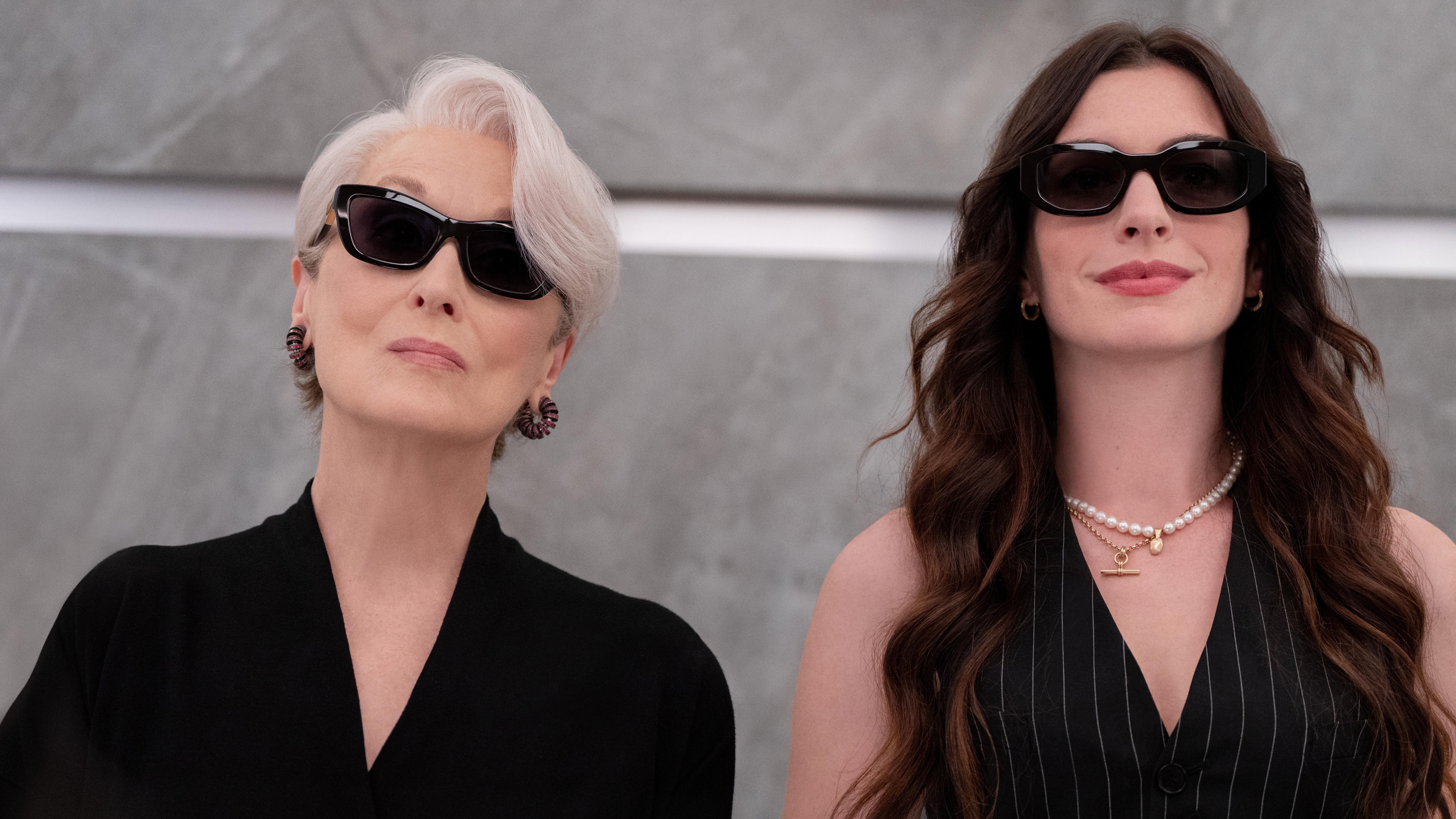
There is a speech in The Devil Wears Prada that people still quote at dinner parties, in film school seminars, and, let’s be honest, to themselves in the mirror on difficult mornings.
Miranda Priestly stands in a room full of nearly identical blue sweaters. She looks at Andy Sachs, who has just made a joke about fashion, and she begins to talk.
She doesn’t raise her voice. She doesn’t need to. She simply explains, with the patience of someone who has explained this before and will explain it again, how a colour travels from a designer’s runway to a discount rack, and why the woman standing in front of her, who thinks she is above all of this, is the last to understand it.
It’s not a villain’s speech. It’s a lesson. And nearly twenty years later, it still lands.
Which is why The Devil Wears Prada 2, arriving May 1st with the full original cast, 222 million trailer views in its first 24 hours, and the entire internet holding its breath, needs to be very careful about what it does next.
What we know so far
The setup is almost poetically designed. Andy is back at Runway, this time as a proper journalist rather than someone fetching coffee and learning what cerulean means. Emily, who spent the first film being systematically humiliated, underfed, and told she wasn’t thin enough, is now a luxury executive with real money and real leverage. And Miranda is fighting to keep the magazine alive in an era that has decided print is finished and algorithms are the new editors-in-chief.
The woman who once reduced grown adults to tears over font choices now needs the people she spent years terrorising.
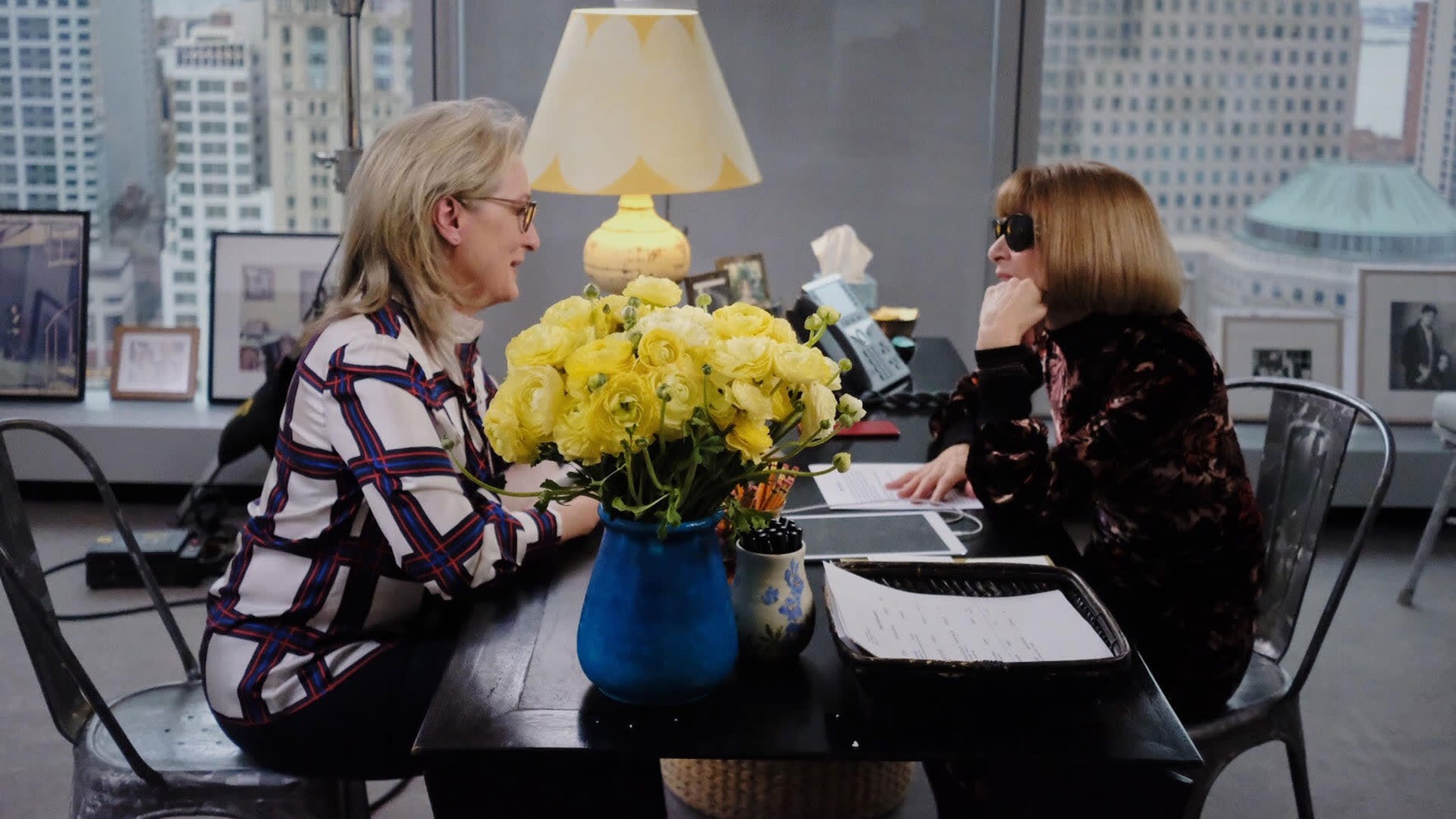
There is also, sitting quietly in the background, the small matter of real life: Anna Wintour stepped down as Editor-in-Chief of American Vogue last year after 37 years. The timing of this film is not subtle.
The redemption problem
The question circling the sequel is whether Miranda will finally be humanised. Whether we’ll see behind the armour, understand the reasons, perhaps witness something resembling an apology.
Here’s a different question: does she need to be?
What made Miranda genuinely, uncomfortably compelling wasn’t cruelty for its own sake. It was clarity. She saw how things worked and said so, without softening the edges for anyone’s comfort. In a genre full of bosses who are secretly warm underneath, she was the rare figure who refused that deal. Not secretly kind. Occasionally, unexpectedly right. Which is far more unsettling than simply being mean.
A tidy redemption arc would domesticate all of that. Turn a complex portrait of power into a lesson about being nicer to your staff.
The more interesting version of this story asks something harder: what does it cost to have been exactly who Miranda was, for exactly as long as she was, in an industry that has now decided to move on without her? That’s not redemption. That’s a reckoning. That would be a better film.
One detail worth noting
Nate is not returning for the sequel. No explanation given. He’s just gone. For those who spent the last decade re-evaluating him as the actual villain of the story, the insecure man who couldn’t handle a woman wanting something, this feels like a statement.
It’s a small decision. But it suggests the filmmakers understand which version of this story they’re telling.
The last thing
The film opens May 1st, a few days before the Met Gala, which happens every year very much under the influence of a certain real-life editor who may or may not have inspired a certain fictional magazine tyrant.
Whether that’s coincidence or extremely deliberate studio choreography, it reads like a statement: this story is still happening. These women are still in the room.
Seven weeks until we find out if they got it right.
The Devil Wears Prada 2, directed by David Frankel, opens in US theaters May 1, 2026.